
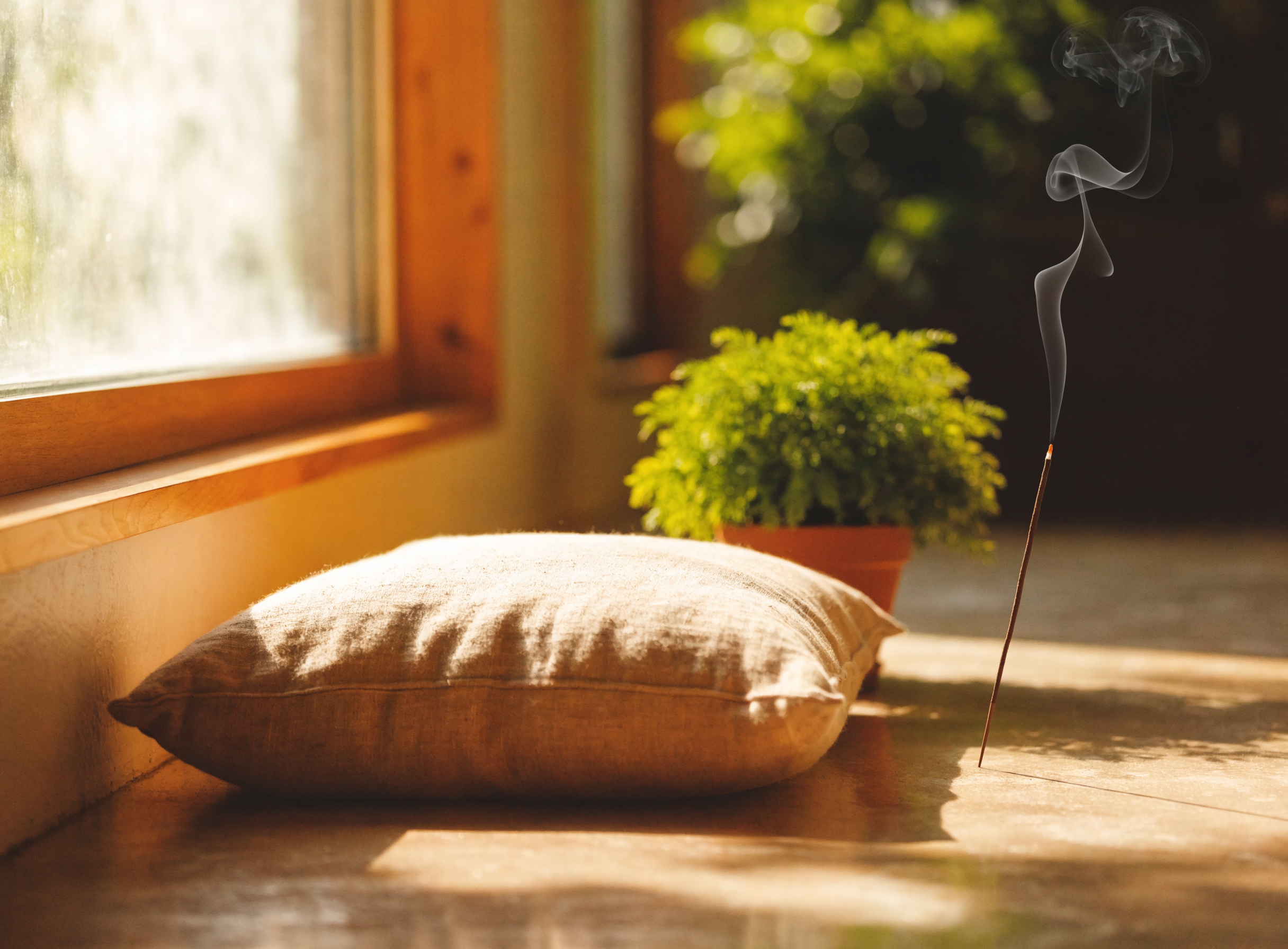
Meditation has a reputation problem. Many people picture an hour of perfect stillness and an empty mind — then decide they could never do it. The truth is far gentler. You do not need an hour of silence; five minutes of honest attention is a real beginning. Here is how to learn to meditate, one breath at a time.
Why meditate?
A regular practice is associated with lower stress, calmer mood, sharper focus, and better sleep. Like herbal medicine, meditation works gradually and cumulatively — consistency matters far more than intensity. Five minutes most days will do more than an occasional long session.
A five-minute meditation for beginners
- Sit comfortably. A chair or cushion is fine. Let your spine be tall but relaxed, hands resting easily.
- Soften your gaze or close your eyes. Take one deeper breath to arrive.
- Count your exhales. Breathe naturally and count each out-breath from one to ten, then start again at one.
- When the mind wanders — and it will — simply begin again. Noticing you drifted is the practice. No judgment; just return to one.
- Finish gently. Before you stand, take one slow breath and notice how you feel.
A quiet myth, cleared up. The goal is not to stop thinking — that is impossible. The goal is to notice when you have wandered and come back. Every “coming back” is a rep for your attention, like lifting a small weight.
Make it a habit that sticks
Anchor your practice to something you already do — right after you wake, or just before your evening tea. Keep it short enough that it feels easy, and let it grow on its own. Pairing meditation with a daily wellness ritual, like a mindful cup of tea or your supplement, makes it easier to remember.
To carry this calm into the rest of your day, see our guide to living in the present, and how adaptogenic herbs support energy and stress.
The information provided is for educational purposes only and is not a substitute for professional medical or mental-health advice. These statements have not been evaluated by the FDA.